Why Quality Plumbing Services Are Essential for Your Homes Health: A Complete Resource
High-quality plumbing services play a critical role in maintaining a home's overall health. They help identify and address potential issues before they escalate into costly repairs. With the necessary skills, experienced plumbers secure a clean water supply and preserve the home's structural foundation. Yet, numerous homeowners tend to neglect the value of routine upkeep. Grasping the total influence of plumbing on your home environment may expose remarkable findings. What could these concealed risks involve?
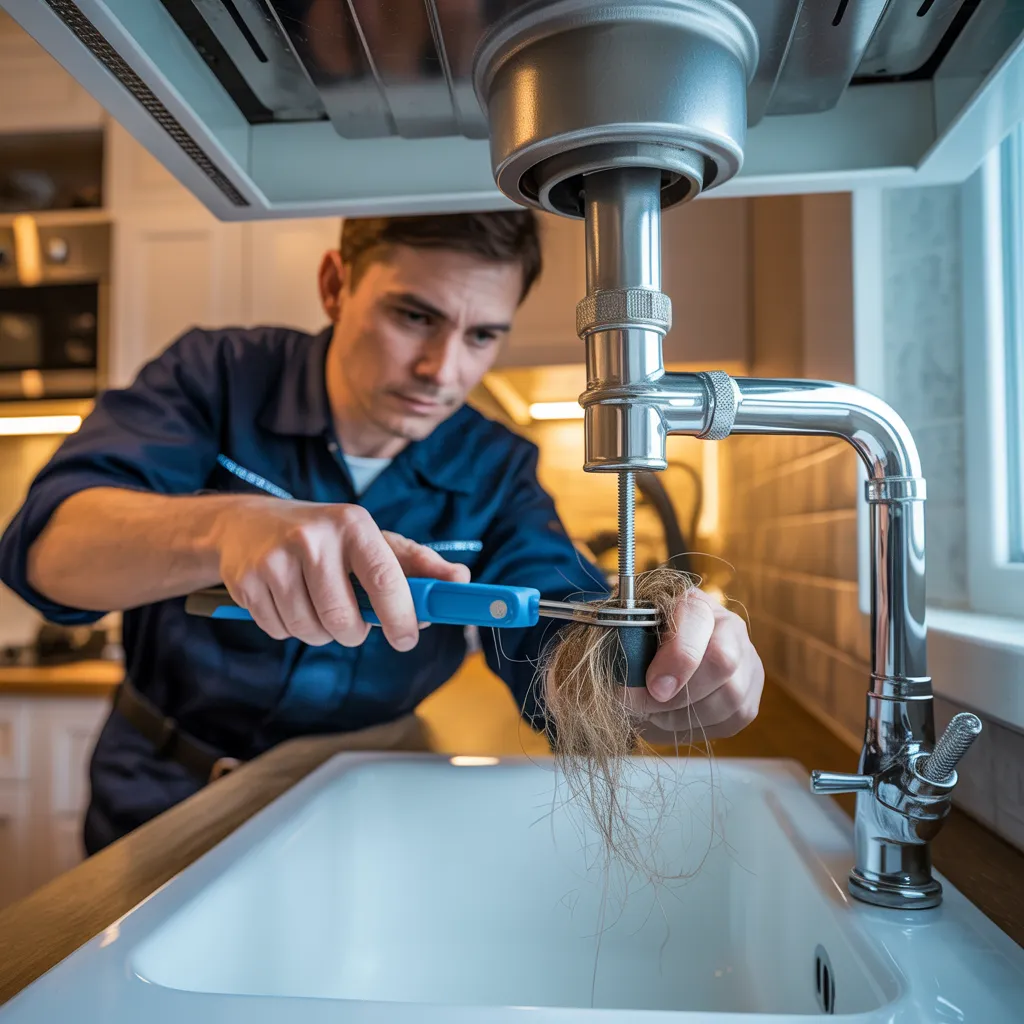
The Concealed Risks of Inadequate Plumbing
Numerous homeowners overlook the hidden dangers of inadequate plumbing systems, which can cause major complications over time. Poor plumbing infrastructure can result in leaks that silently damage walls, ceilings, and foundations. Over time, such leaks encourage mold growth, presenting serious health hazards to occupants and weakening the structural foundation. Additionally, poor pipe materials may deteriorate, leaching dangerous pollutants into the home's water system. This not only diminishes the safety of potable water but can also cause significant financial burdens from necessary repairs.
Blockages resulting from improper upkeep may worsen into significant obstructions, leading to sewage overflow and unhygienic environments. Moreover, inadequate drainage systems can cause flooding, destroying household property and demanding significant cleanup efforts. Many homeowners tend to overlook that ignoring plumbing upkeep can trigger a chain of consequences, making early intervention essential. Understanding these hidden dangers emphasizes the value of professional plumbing maintenance, which can protect a property's integrity and lifespan.
How to Identify Plumbing Problems Early
What steps can homeowners take to identify plumbing problems before they worsen? Regular observation of key indicators can help identify potential problems. Homeowners ought to stay alert to strange noises, like gurgling or hissing, which could indicate trapped air or leaks. Moreover, sudden jumps in water bills could be a sign of undetected leaks.
Visual checks are also critical; evidence of water stains on walls, ceilings, or floors can be telltale signs of plumbing issues. Homeowners are advised to inspect under sinks and around toilets for signs of moisture or standing water. Moreover, slow drains may suggest clogs or pipe deterioration.
Being mindful of unpleasant smells can prove helpful as well, as they might suggest sewage problems. Finally, keeping an eye on fluctuating water pressure may signal deeper issues. Early detection enables prompt response, helping homeowners avoid significant repair costs and guaranteeing a more comfortable living space.
Keeping Major Problems at Bay With Regular Upkeep
Routine upkeep is critical for homeowners seeking to prevent serious plumbing complications before they develop. Routine inspections can identify minor leaks, rust, or obstructions that, if ignored, might lead to costly fixes or system malfunctions. Basic tasks, including draining water heaters and inspecting pipes for signs of deterioration, can greatly extend the lifespan of plumbing systems.
In addition, consistent maintenance supports adequate hydraulic pressure and proper drainage, so that household systems run effectively. Homeowners should also consider seasonal checks, as varying weather conditions are known to affect pipe durability.
Why Hiring a Professional Plumber Matters
Even though some homeowners consider DIY plumbing fixes to reduce expenses, enlisting a professional plumber is essential for ensuring the work is completed properly and safely. Professional plumbers possess the necessary training and experience to handle a wide range of plumbing issues, including everything from simple leaks to complicated installations. Their knowledge decreases the chances of further harm, which may cause significant repair costs in the future.
In addition, licensed plumbers possess advanced tools and methods that most homeowners do not have. This empowers them to identify and fix issues effectively, usually in significantly less time than an untrained person would require. Beyond that, working with a licensed plumber ensures compliance with local codes and regulations, defending the homeowner against potential regulatory penalties.
Ultimately, investing in professional plumbing services not only enhances the reliability of a home's plumbing system but also promotes its overall safety and functionality.
How Much Quality Plumbing Services Cost
Understanding the expenses connected to reliable plumbing services is important for homeowners considering upkeep or repairs. Variables impacting these costs include the difficulty of additional info the job, the required materials, and the experience of the plumber. Common services, such as unclogging drains or fixing minor leaks, generally cost between $100 to $300. That said, more complex repairs, like sewer line issues or pipe replacements, can reach $1,000 or more.
In addition, emergency services often incur higher fees due to the urgency and time of service. Property owners should likewise take into account the costs tied to scheduled preventative upkeep, which can save money in the long run by avoiding major repairs. While it may be tempting to opt for the cheapest option, investing in quality plumbing services guarantees reliability, safety, and longevity in plumbing systems, ultimately protecting the home's overall health. Recognizing these pricing factors empowers homeowners to make well-informed choices.
How to Choose the Right Plumbing Service for Your Home
Selecting the ideal plumber for a home calls for careful consideration beyond just cost. Homeowners should prioritize qualifications, confirming the service is licensed and insured to prevent liabilities. Testimonials and reviews provide insight into a company's reputation, showcasing professionalism and reliability. It is also important to inquire about warranties on both labor and parts; reliable plumbers stand behind their work.
Another key consideration is the range of services offered. A well-rounded plumbing service is capable of managing emergencies, installations, and regular maintenance, offering a comprehensive solution. Additionally, transparency in pricing and detailed estimates helps avoid unexpected costs. Lastly, strong communication is vital; a plumber must be prepared to describe problems and remedies in a straightforward manner. By weighing these considerations, homeowners can arrive at a knowledgeable decision that confirms their plumbing demands are fulfilled competently and dependably, ultimately benefiting the overall condition of their home.
Frequently Asked Questions
What Are the Typical Warning Signs of Plumbing Problems in Older Homes?
Frequent warning signs of plumbing concerns in older properties include blocked drains, persistent clogs, moisture stains on ceilings or walls, odd pipe noises, and irregular water pressure, all indicating potential leaks or deterioration in the plumbing system.
How Can I Temporarily Fix a Plumbing Leak?
To provide a temporary solution for a plumbing leak, one can use waterproof tape or a rubber patch secured with hose clamps. Keeping the area dry before applying the fix increases its effectiveness until a skilled plumber can attend to the issue correctly.
What Plumbing Tools Does Every Homeowner Need?
Each homeowner needs to keep essential plumbing tools, such as a pipe wrench, drain plunger, adjustable wrench, basin-specific wrench, and plumber's sealing tape. Such tools allow for efficient diagnosis and small-scale repairs, ensuring better maintenance of home plumbing systems.
Is DIY Plumbing Repair Safe and Effective?
Home plumbing repairs are capable of being safe and successful for minor issues, when homeowners are equipped with the right tools and knowledge. Nevertheless, complex problems could cause costly mistakes, emphasizing the importance of expert help for major plumbing repairs.
How Does Weather Affect Plumbing Systems?
Climate conditions significantly influences plumbing systems; freezing temperatures can result in burst pipes, while intense heat may result in greater evaporation and pressure buildup. Heavy rainfall can overwhelm drainage infrastructure, resulting in blockages and potential water damage throughout homes.